The Footprint of Technology
Data Centers & Energy Consumption
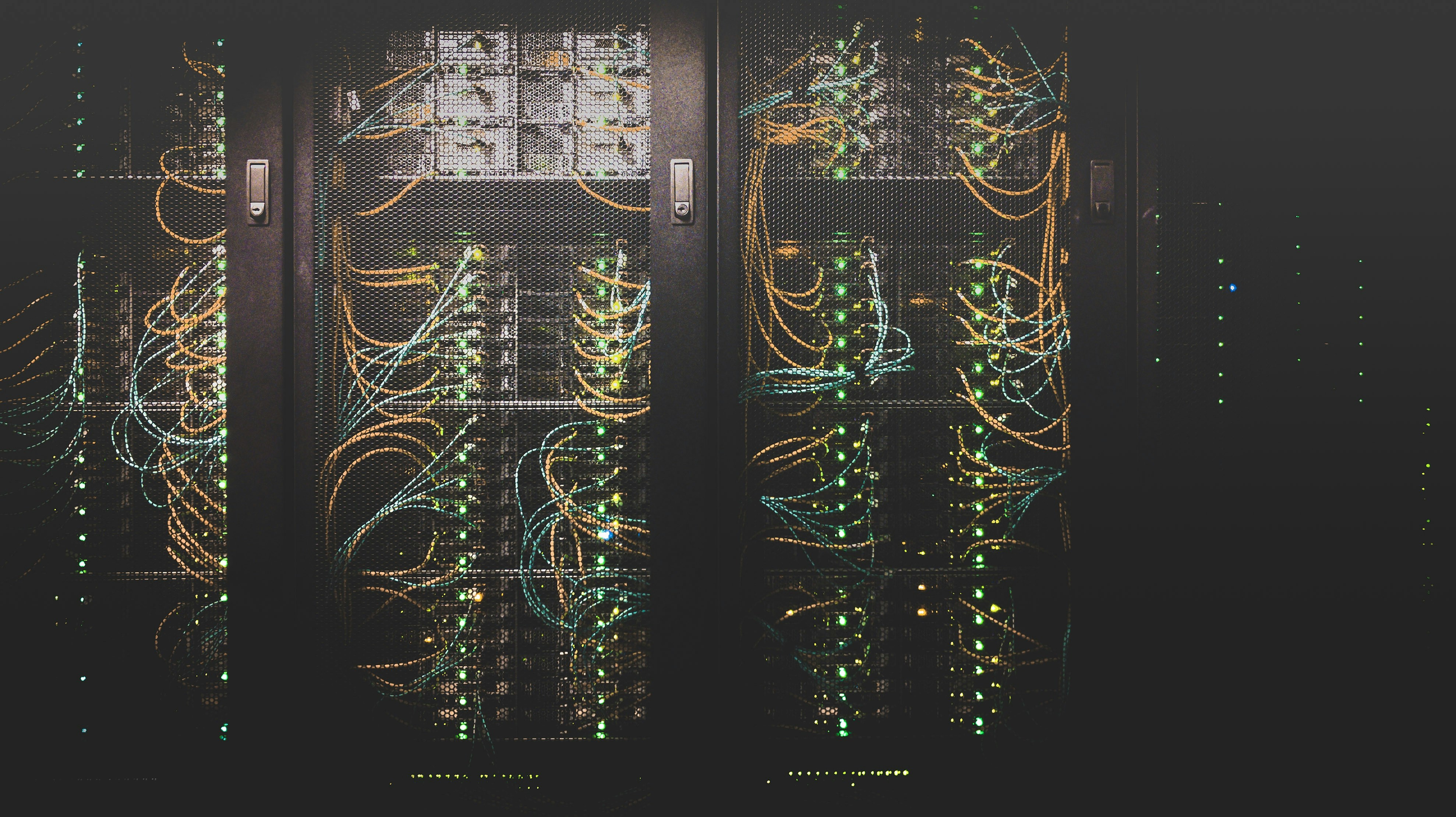
Modern data center with extensive networking infrastructure and power consumption
Data centers are the backbone of our digital infrastructure, but they consume enormous amounts of electricity. A single large data center can use as much power as a small town, with much of this energy still coming from fossil fuels.
The cooling systems required to prevent servers from overheating are particularly energy-intensive, accounting for up to 40% of a data center's total energy consumption. As our digital economy grows, so does the environmental impact of these facilities.
E-waste & Obsolescence
The rapid pace of technological advancement leads to frequent hardware upgrades, generating millions of tons of electronic waste annually. E-waste contains toxic materials like lead, mercury, and cadmium that can contaminate soil and water when improperly disposed of.
Software obsolescence compounds this problem, as updates often require newer hardware, forcing perfectly functional devices into retirement. Only about 20% of global e-waste is formally recycled, with the remainder ending up in landfills or being processed in unsafe conditions.
Sustainable Computing Practices
Green Computing
Major tech companies are increasingly powering their data centers with renewable energy. Google, Microsoft, and Apple have all made commitments to carbon neutrality or 100% renewable energy for their operations.
Innovative cooling technologies, such as liquid cooling and locating data centers in cold climates, can significantly reduce energy consumption. Some companies are even placing data centers underwater or in deep mines to take advantage of natural cooling.
Case Study: Microsoft's Underwater Data Center
Microsoft's Project Natick demonstrated that underwater data centers can be more reliable and energy-efficient than traditional facilities. The natural cooling provided by the ocean eliminated the need for artificial cooling systems.
Circular Economy Approaches
The circular economy model aims to minimize waste and maximize the reuse of resources. In computing, this translates to designing hardware for longevity, repairability, and eventual recycling.
Eco-Design Principles
- Designing hardware for longevity, repairability, and eventual recycling
- Implementing take-back programs for proper disposal and recycling
- Developing energy-efficient algorithms that require less computational power
- Creating software that can run efficiently on older hardware
Balancing Digital Innovation and Sustainability
As we continue to rely more heavily on digital technologies, finding ways to minimize their environmental impact becomes increasingly important. The challenge lies in balancing the benefits of technological advancement with the need to protect our planet.
Computer scientists have a unique opportunity to address this challenge by developing more efficient systems, promoting sustainable practices, and raising awareness about the environmental implications of our digital choices.
By approaching computing with sustainability in mind, we can harness the power of technology to address climate change while minimizing its contribution to the problem.