Smart Grids & Sustainable Energy
What Are Smart Grids and Why Are They Needed?
Smart grids represent the evolution of traditional power grids into intelligent, responsive networks that optimize the generation, distribution, and consumption of electricity. These systems rely on advanced computer technologies to manage the complexities of integrating renewable energy sources.
Unlike conventional power grids, smart grids incorporate two-way digital communication between utilities and consumers, allowing for real-time monitoring and adjustment of electricity flow. This bidirectional communication enables more efficient energy management and faster response to changing conditions.
As we transition to renewable energy sources like solar and wind, which are inherently variable, smart grids become essential for maintaining grid stability and reliability while maximizing the use of clean energy.
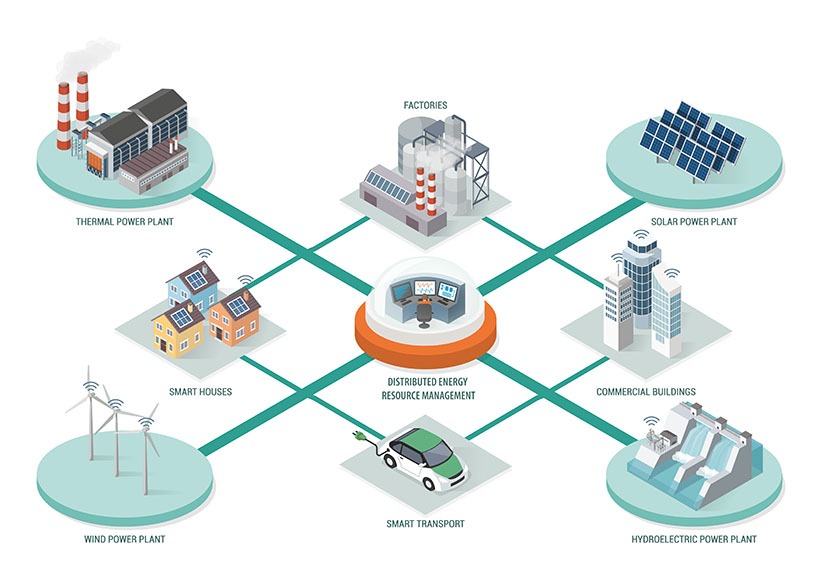
Distributed energy resource management connecting various power sources and consumers
How Computer Science Improves Energy Efficiency
Advanced algorithms balance electricity supply and demand in real-time, preventing outages and reducing the need for expensive peaker plants. They can shift non-critical consumption to times when renewable energy is abundant.
Machine learning models analyze data from sensors throughout the grid to predict equipment failures before they occur. This proactive approach reduces downtime, extends the lifespan of infrastructure, and improves overall efficiency.
Smart grid systems enable seamless integration of solar, wind, and other renewable energy sources by managing their variability. Advanced forecasting algorithms predict renewable generation, while intelligent control systems ensure grid stability.
Computer science is at the heart of modern energy systems, providing the intelligence needed to optimize complex networks of generators, storage systems, and consumers. Machine learning algorithms continuously analyze patterns in energy production and consumption, identifying opportunities for efficiency improvements that would be impossible to detect manually.
These technologies not only improve the technical performance of energy systems but also enhance the user experience through smart meters, home energy management systems, and intuitive interfaces that help consumers make more informed decisions about their energy use.
Impact on Reducing CO₂ Emissions
Smart Grids' Contribution to Climate Goals
Direct Emissions Reduction
- • Increased renewable energy penetration by 15-30%
- • Reduced need for fossil fuel "peaker" plants
- • Lower transmission and distribution losses (5-10% improvement)
- • Optimized energy storage utilization
Indirect Emissions Reduction
- • Enabled demand response programs reducing peak demand by 10-20%
- • Facilitated electric vehicle integration and smart charging
- • Supported energy-efficient building management systems
- • Reduced need for grid infrastructure expansion
According to research, the widespread implementation of smart grid technologies could reduce global CO₂ emissions by 2-4 billion tons annually by 2030—equivalent to removing over 400 million cars from the road. By enabling higher penetration of renewable energy and improving overall system efficiency, smart grids are a critical component of our climate change mitigation strategy.